From “What is a Neighborhood?” to Raising $100,000 for Safety: Denise Hart’s Blueprint for Neighborhood Change
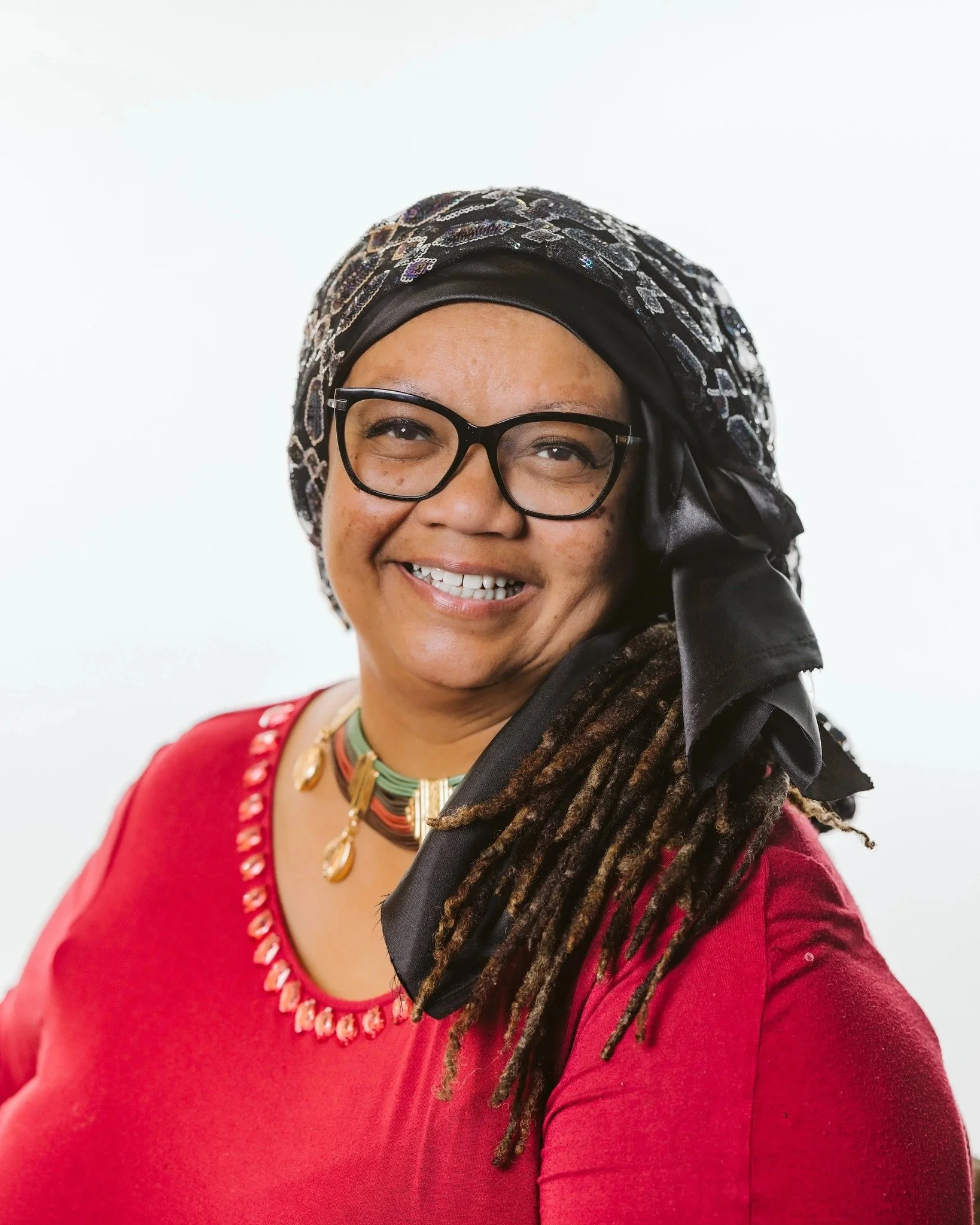
Denise Hart
Denise’s leadership shows what happens when parents and residents are given the tools to navigate systems—not as outsiders, but as people with a right to be heard
Three years ago, after living in her neighborhood for nearly two decades, Denise Hart found herself in the middle of a crisis that revealed the gaps in how neighborhoods are supported. A severe storm hit, leaving cars totaled, trees down, and the cul-de-sac blocked off. Crews came and went to restore power and clear what they needed to clear, but when they left, they also left behind debris and a neighborhood that looked “horrible.”
Denise did what so many people do when something isn’t right: she started making phone calls. And that’s when she hit a question she didn’t see coming.
“I contacted the city,” she said, “and the city said, ‘Are you a neighborhood?’ I said, ‘What is that?’ Because I never knew neighborhood associations existed. I never knew.” That moment became the beginning of something much bigger.
After learning what a neighborhood association was, Denise started building one. A friend encouraged her to apply to PLTI, telling her it would help her get what she needed done. Denise signed up, met with Julie Holland, and quickly realized she wasn’t the only one who didn’t know what steps came next.
“When I had my interview with Julie, she was like, ‘What do you want to do for your neighborhood?’… And she said, ‘Are you registered? Have you done all this?’ I said, ‘Do what? No.’”
That’s when the learning became practical. Denise described PLTI as the place where she gained structure, support, and a clear path forward.
“She helped me get registered with the Secretary of State, and I got all the paperwork and everything done.”
With that foundation, Denise established a neighborhood association rooted in what her block needed most: safety, communication, and a way to be taken seriously. Denise’s neighborhood wasn’t designed with children in mind, but as more families moved in, the stakes changed.
“We have a lot of kids,” Denise explained. “We don’t have sidewalks, we don’t have playgrounds, we don’t have anything. Having these kids here made me look at, ‘We need to have something for the kids to do. I need to make sure that they’re safe while they’re here.’”
Cars speeding through the neighborhood at 40 miles per hour made that safety feel urgent. Denise put up signs, and she did what parents and neighbors do when they refuse to accept danger as normal.
Denise learned quickly that change takes persistence, strategy, and knowing who to contact. She took classes, earned certificates, attended meetings, and kept building her understanding of how the system works. Then she learned something else: the system often moves only when you don’t stop.
At one point, Denise was told the fixes her neighborhood needed would cost too much. Sidewalks were quoted at $700,000, speed humps estimated in the $80,000 range. Denise’s response was direct:
“So I said, ‘You’re trying to tell me you’re gonna put a dollar price on kids’ lives? Does something have to happen in order for us to get speed bumps in the neighborhood?’”
She didn’t accept “no” as the final answer. She used what she learned and reached out to her 6th District council aide. That call led to a walkabout with city departments. Officials saw the lack of sidewalks, the conditions, and the kids playing. And eventually, the change came.
“They put four speed bumps in,” Denise said. “It did take a few months to get done, but when they did it, it was done.”
Denise applied for PIAC funds and secured a major investment: $100,000 toward neighborhood improvements. Those dollars helped fund the speed humps, with the total cost coming in around $50,000.
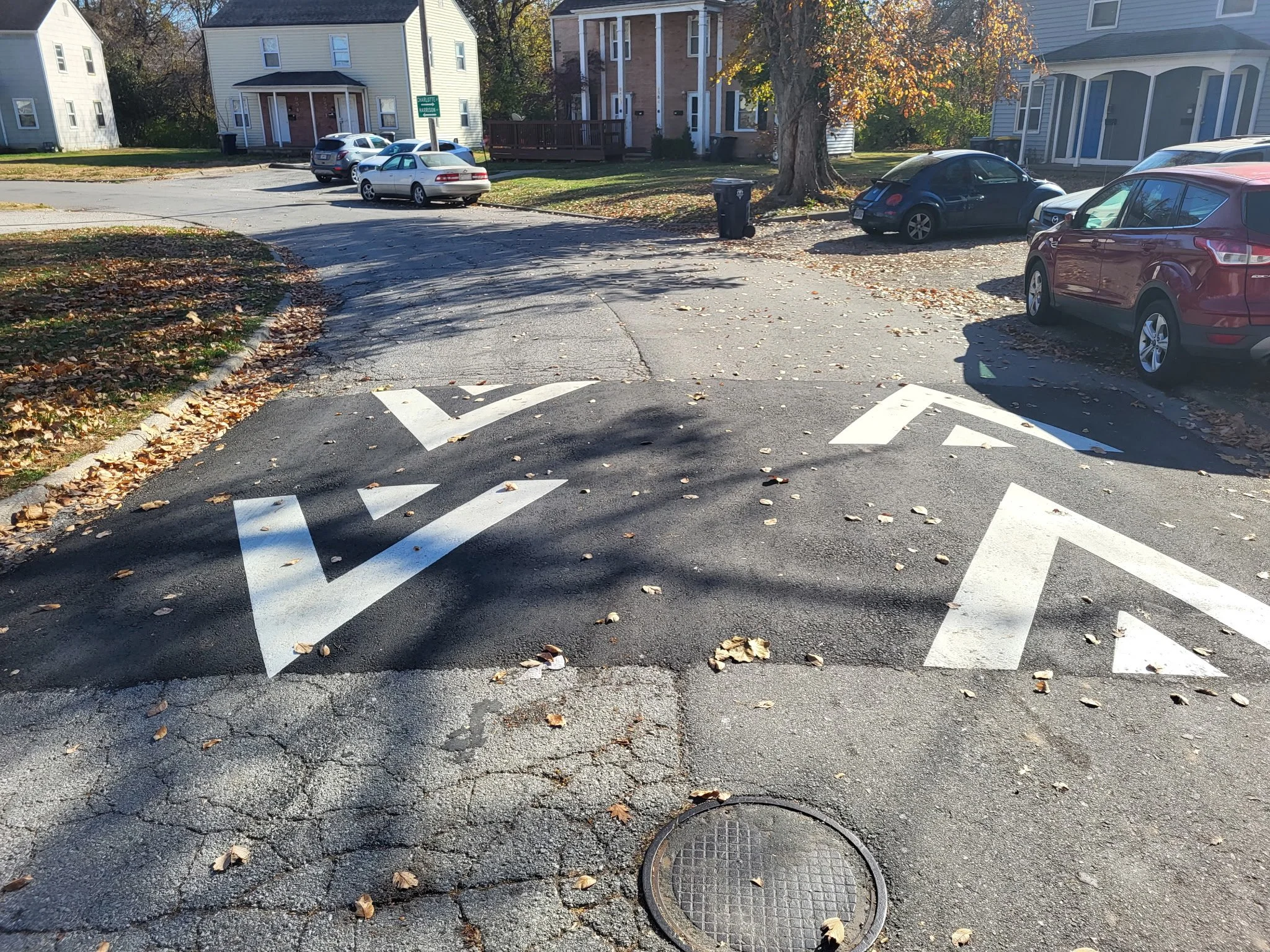
Speed humps installed in the Holmes Neighborhood
Now, Denise isn’t finished. She’s already working on what’s next, including advocating for a safer bus stop for the kids in her neighborhood.
Denise’s story is inspiring because it’s real. It includes frustration, barriers, and the truth that many residents are juggling multiple jobs and responsibilities. But it also includes a roadmap for what to do when you’re ready to try.
Here’s what Denise wants others to know:
1) Start by building relationships.
“Contact your city council aide. Be friends with them, get to know them, meet up with them, invite them to the neighborhood.”
2) Show up where decisions are made.
“I had to start going to different meetings. Get online and sign up for their newsletters… go there, let them know who you are—be in their face.”
3) Use data and story together.
“Data is number one… They need data and a good story.”
4) Don’t underestimate small numbers.
“Don’t think you need 100 people to sign. No, you don’t… These are the people that were interested—this is what we have—what are you gonna do next?”
5) Keep a trail.
“You gotta have a trail. This is what we did, this is what happened. I’m still getting ignored.”
Denise’s leadership shows what happens when parents and residents are given the tools to navigate systems—not as outsiders, but as people with a right to be heard. PLTI helped Denise understand the mechanics of civic engagement: how to organize, who to contact, how to follow through, and how to turn a neighborhood need into a community solution.
Just as importantly, PLTI affirmed what Denise already carried: a sense of responsibility for her neighbors and the courage to keep going.
If you’ve ever looked at a problem in your neighborhood and thought, I don’t even know where to start, Denise’s story is proof that starting small still counts. Start with one call. One meeting. One relationship. One step that turns “I don’t know” into “Let me find out.” Because change doesn’t always start with power. Sometimes it starts with a neighbor who refuses to let kids grow up in danger and decides to learn the system well enough to make it better.